Pick Educational Storybooks That Fit Your Child’s Level
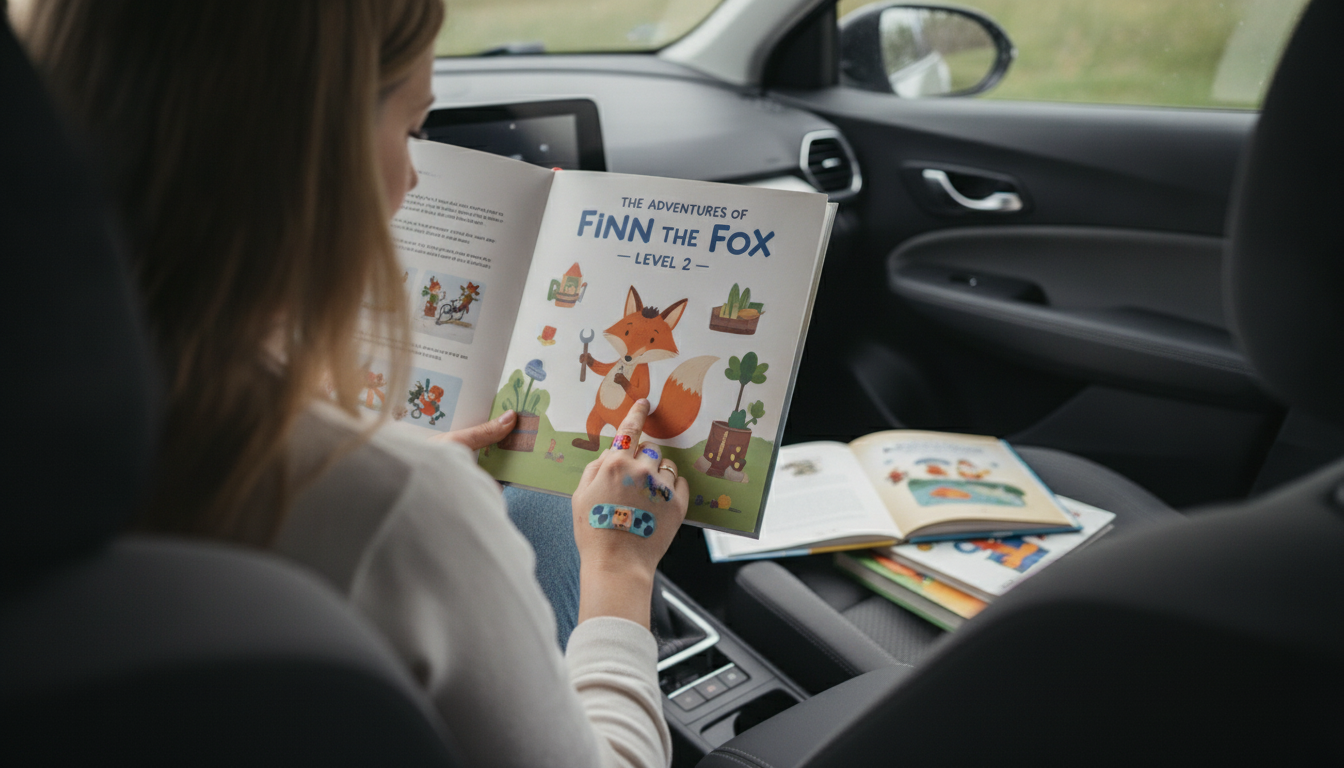
How do I choose an educational storybook with lessons that match my child’s reading level?
Start by matching the book’s text difficulty to what your child can read comfortably, then confirm the lesson is delivered through the story (not long explanations). The best educational storybooks feel enjoyable first, while building skills and values in a way your child can actually follow.
Check the reading level—and verify it fits in real life
Use the publisher’s age range, reading level, or Lexile/Guided Reading note as a starting point, but don’t stop there. Open to a random page and scan for sentence length, vocabulary, and how much text sits on each page. A good “just-right” choice usually means your child can read most words accurately without constant help and can still describe what happened after a few pages.
Match format to stamina and confidence
If your child gets tired quickly, choose shorter chapters, larger font, and generous spacing. For emerging readers, look for repeated phrasing, predictable patterns, and supportive illustrations that help decode meaning. For stronger readers, pick richer plots and varied sentence structures so the lesson feels earned, not announced.
Make sure the lesson is clear, age-appropriate, and actionable
Decide what kind of lesson matters most right now: kindness, honesty, resilience, sharing, managing big feelings, or growth mindset. Then preview how it’s handled. The strongest stories show consequences and choices through character actions, with a takeaway your child can name in one sentence (for example: “I can try again when it’s hard”). Avoid books that lecture or rely on abstract concepts your child can’t connect to daily life.
Do a quick read-together test
Read a page aloud, then have your child read the next. Pause to ask one simple question: “What’s happening?” If comprehension is solid and the story holds interest, you’ve likely found a good match.
For a deeper checklist and examples of what to look for by stage, visit the full guide here.
FAQ
What should I do if my child is between two reading levels?
Choose the easier level for independent reading and the higher level for read-aloud time. That way your child builds confidence alone while still enjoying richer language and lessons with support.












Leave a comment