Dog First Aid Basics: Safe Supplies & What to Avoid
What can you use on dogs for first aid?
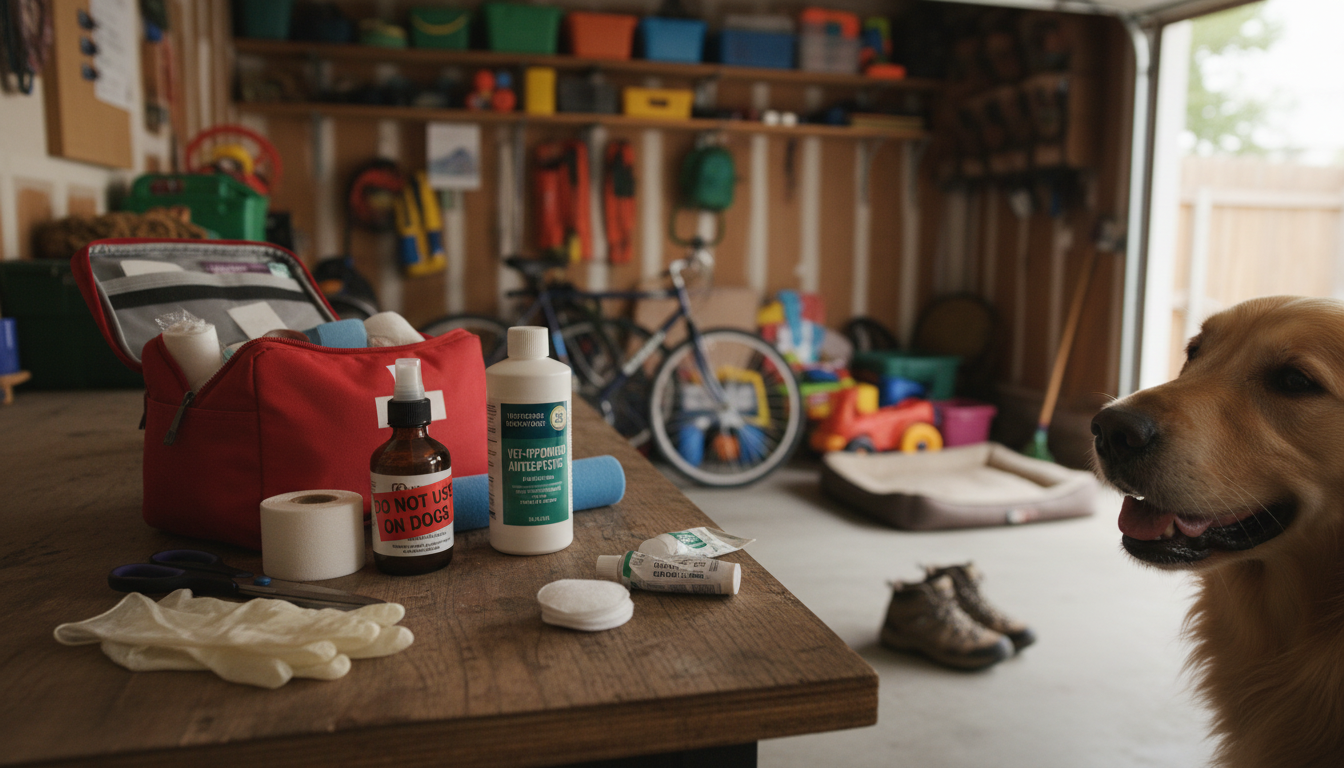
A practical dog first-aid kit focuses on stopping bleeding, protecting wounds, and preventing infection until a veterinarian can take over. The safest items are the same basics found in human first aid—used with dog-appropriate care—and a few pet-specific tools.
Supplies that work well for common emergencies
For cuts and bleeding: sterile gauze pads, non-stick wound pads, and self-adhering wrap (vet wrap) help apply pressure and keep dressings in place. Add medical tape and a clean towel for extra compression when needed.
For cleaning a wound: sterile saline (or a wound wash) is a reliable option for flushing dirt and debris. If you use an antiseptic, choose a pet-safe option such as a properly diluted chlorhexidine solution; avoid harsh products that can damage tissue.
For minor skin issues: an Elizabethan collar (cone) or inflatable collar helps prevent licking and chewing, which can quickly turn a small problem into an infected one.
Tools that make first aid easier
Blunt-tip scissors can cut bandages without nicking skin. Tweezers help remove small splinters or surface debris. Disposable gloves improve hygiene, and a digital thermometer (used rectally with lubricant) can help you share accurate information with a vet.
Comfort and safe handling items
A muzzle (or a soft alternative like gauze used temporarily) can protect everyone if a painful dog might bite—even friendly dogs may snap when injured. A blanket can be used to keep your dog warm, reduce shock risk, and assist with careful transport.
What to avoid using at home
Avoid hydrogen peroxide on open wounds, alcohol, essential oils, and human pain medications (like ibuprofen or acetaminophen), which can be toxic. If you’re unsure, pause and call your veterinarian or an emergency clinic for guidance.
For a more detailed checklist and step-by-step guidance, visit https://fabwaresuniverse.shop/what-can-you-use-on-dogs-for-first-aid/.
FAQ
How do you clean a dog wound at home safely?
Rinse the area with sterile saline to flush out debris, then gently pat dry with clean gauze. If needed, use a pet-safe antiseptic as directed and prevent licking with a cone while you monitor for swelling, discharge, or worsening pain.












Leave a comment